
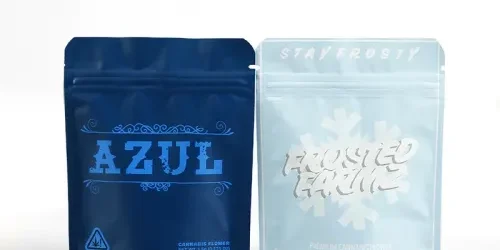
In-depth expertise is available on how to produce Custom 3.5 Mylar Bags. Manufacturers combine polyester films with aluminum to provide customers with effective high-barrier packaging. Brands order this particular eighth-ounce size to protect dry goods and specialty retail merchandise.
Learning more about how these mylar pouches are made to order also offers businesses valuable information about the supply chain. Factories must cut films of plastic and metal with great precision, apply thermal seals, and perform quality control tests to confirm each finished pouch complies with industry standards.
Layering The Film
The process of creating storage pouches combines Custom 3.5 Mylar Bags several sheets of plastic and metalized materials. Manufacturers first extrude polyester resin into film stock,then apply a vapour-deposited aluminum layer that measures only a few microns thick. The vaporized aluminum bonds to the polyester to provide a barrier that protects light-sensitive and oxygen-sensitive products inside the bag. Manufacturers add an inner layer of polyethylene to create a food-grade layer that does not react chemically with the product. Engineers test these composite films to ensure puncture resistance and strength before moving to full-scale production.
Cutting The Material
On large-scale manufacturing floors, factories use rotary die-cutting machines to accurately cut rolls of flat film stock. Large steel blades cut through the multiple layers of material to create the proper pocket dimensions as well as rounded corners. Factory workers must regularly calibrate these cutting dies to ensure they do not create jagged edges that could compromise the airtight seal. Manufacturers also use laser scoring equipment to apply straight tear notches for easy opening by consumers. Dimensional control is essential during this step to ensure every finished pouch fits inside standard retail display racks without issue.
Sealing The Pouches
Hermetic sealing is also very important to the primary pouch fabrication process. Heated metal bars seal the side and bottom gussets of each pouch by melting the inner plastic layers together. Sensors constantly monitor the temperature of the thermal bars to ensure they do not underheat or burn the outer print. Factory operators also test the seal integrity with the help of pneumatic pressure chambers to identify microscopic leaks before the batch of finished pouches is approved for shipment. Effective sealing also helps to protect against moisture and maintain original aromas for extended periods.
Printing On The Bags
Graphic images are printed directly onto the outer film substrate by means of high-speed digital printing presses. Colour management software automatically calibrates the density of the inks to reflect the specific brand colours required from one production run to the next. Ultraviolet lamps quickly dry liquid inks to prevent smudging as the continuous web moves through the various press stations. Producers can quickly change printing artwork files without stopping the entire manufacturing line to change out printing plates. This greatly simplifies the process and allows brands to order mylar bags printed with intricate designs and high-resolution images.
Laminating The Surface
Thin films may be added over the printed graphics to enhance tactile feel as well as long-term durability. Matte lamination finishes diffuse overhead lighting in retail environments to create a more sophisticated texture that is also fingerprint-resistant. Glossy clear finishes make colour contrast more intense and also highlight metallic logo graphics more quickly. Workers feed rolls of printed film through heated nip rollers where the pressure-sensitive adhesive bonds the clear lamination layer in place. This type of surface finish can protect the packaging from scuffs and moisture during shipping.
Producing At Scale
Factories also increase operational efficiency by running production lines continuously for larger client orders. Automated tension controllers also help to ensure that the film web moves smoothly through printing, drying, and cutting stations without tearing. Large facilities can pass material savings along to clients who order 3.5 mylar bags wholesale for mass retail distribution. Random samples are pulled from every thousand units produced to test both thickness and seal strength for quality control purposes. Efficient scheduling also helps manufacturing plants meet high-volume demand while maintaining consistent quality.
Quality Control Measures
Thorough inspection measures are in place to ensure defective pouches never leave the factory floor for customer shipment. Automated optical scanners inspect alignment of the printed artwork Custom Mylar Bags and look for surface defects at maximum line speeds. Technicians perform burst tests on a random sampling of sealed pouches to confirm the precise amount of pressure needed to cause a failure. Environmental chambers also simulate both temperature and humidity extremes to confirm the barrier properties remain intact. Documenting these test results also provides accountability and helps to reassure customers about the craftsmanship that goes into their packaging.
Conclusion
Producing custom printed 3.5 mylar bags requires a high degree of precision to effectively protect many modern retail goods. Advanced layering techniques as well as strict quality controls guarantee long-lasting freshness for products.
Brands also benefit from learning how raw films are transformed into durable and branded storage pouches. Careful planning and close collaboration with skilled production facilities also help ensure that every packaging project is successful.